
Compassionate Drug and Alcohol Treatment in Daytona Beach, FL
Overcoming addiction requires more than treatment—it requires understanding, support, and a structured path toward recovery. Licensed drug and alcohol treatment centers serving Daytona Beach, FL provide medically supervised care, behavioral health services, and recovery planning designed to support long-term sobriety. Experienced professionals guide individuals and families through treatment programs focused on safety, stability, and lasting recovery.

Comprehensive Drug and Alcohol Treatment Services in Daytona Beach, FL
Featured Local Providers
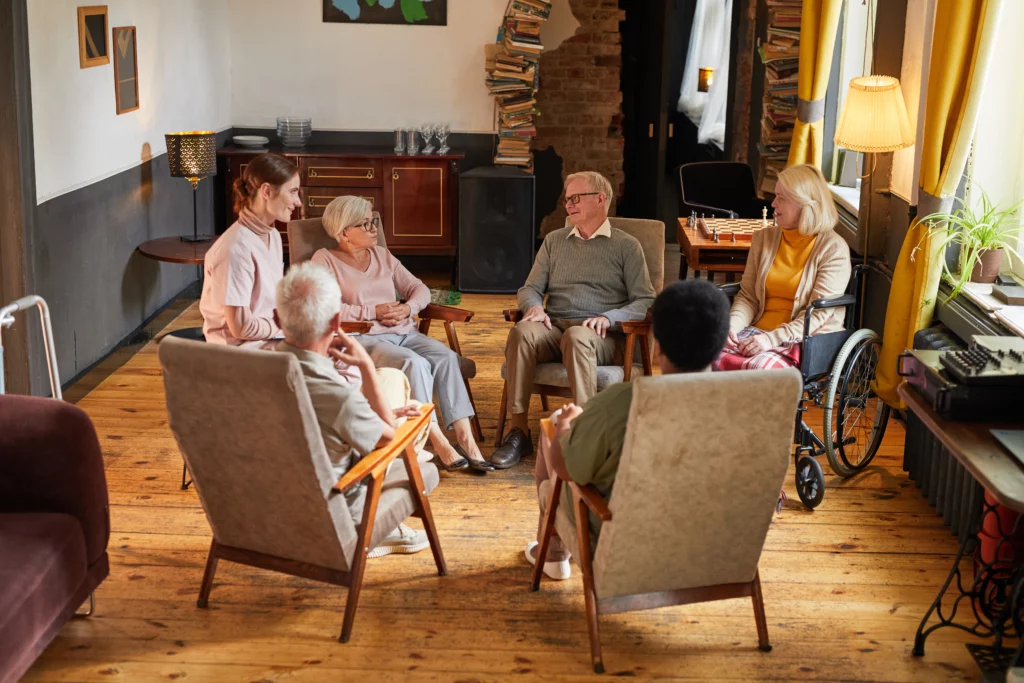
Reliable Substance Use Treatment Centers in Daytona Beach, FL
Rehabilitation providers in Daytona Beach, FL focus on helping individuals safely begin the recovery process through evidence-based addiction treatment programs. Licensed therapists and healthcare professionals deliver medical care and counseling services designed to address the physical and psychological effects of addiction. Structured treatment environments help patients begin rebuilding healthy routines and long-term recovery strategies.
Addiction recovery programs frequently combine medical care, therapy, and long-term recovery planning to support lasting change. Treatment professionals monitor patient progress while helping individuals develop healthy coping strategies and relapse prevention skills. This structured support helps patients remain focused on building a sustainable path toward recovery.


Understanding Rehab Insurance Benefits
Drug and alcohol rehabilitation programs often partner with insurance providers to help patients access treatment services. Admissions specialists may help review insurance benefits and determine what portions of care may be covered. Verifying insurance coverage early can help individuals prepare for treatment while minimizing unexpected expenses.
Start Drug and Alcohol Treatment in Daytona Beach, FL
Beginning treatment for substance dependence can feel daunting, but help is within reach. Our network of drug and alcohol rehabilitation programs helps individuals and families through every stage of the rehabilitation process—from initial consultation to treatment placement and continuous sobriety planning.
Frequently Asked Questions
How to Select a Drug & Alcohol Treatment Center in Daytona Beach, FL
What should I look for when choosing a rehab center in Daytona Beach, FL?
When selecting a rehab center, consider licensing status, accreditation, and the experience of the clinical staff. Facilities should be licensed in Florida and follow recognized treatment standards. Reviewing patient feedback and consulting healthcare professionals may also help identify reputable treatment centers.
How can I evaluate whether a treatment center’s staff are qualified?
Patients may ask about the qualifications of the care team including physicians, nurses, and licensed addiction counselors. Reputable centers often employ mental health professionals who specialize in substance use disorders. Ongoing staff training and certification programs can help maintain high treatment standards.
What services should a comprehensive addiction treatment center provide?
Full-service addiction treatment centers typically offer multiple levels of care depending on patient needs. Services may include detox programs, inpatient rehabilitation, outpatient therapy, and ongoing recovery planning. Some programs also provide mental health support and counseling services.
How do I compare costs and insurance coverage for addiction treatment in Daytona Beach, FL?
Patients evaluating rehab programs may ask about insurance participation and payment options. Many treatment facilities work with insurance providers to help cover detox and therapy services. Understanding financial responsibilities can help individuals choose the right program.
How important are communication and support during addiction treatment?
Clear communication is essential throughout addiction treatment. Treatment centers often provide counselors and support staff who guide patients through each stage of recovery. Continued support programs can help individuals maintain long-term progress.